
JobAccess Employment Assistance Fund — how to fund neurodiversity training

How Psychometric Tests Could Undermine Diversity in the Workplace
Certain assessments that are commonly used within recruitment selection processes can be very effective at filtering out candidates. The question is, how often are they filtering out candidates that might actually be ideally suited to the role?
Are these tests causing you to not only miss out on quality but diversity in your team as a result?
In this article, I’ll discuss some thoughts on why psychometric testing could be causing you to miss out on talented candidates.

How much does neurodiversity training cost in Australia?

Managing Neurodivergent and Neurodiverse Employees
Managing staff requires a mix of guiding through missteps and mistakes. Encouraging continued good work and dealing with the odd interpersonal challenge. This is no different when it comes to neurodivergent staff. But, this is often an area of uncertainty for many managers new to supporting a neurodivergent employee.
When establishing an inclusive workplace it's important to treat all people equal. Making distinctions on how one person is treated versus everyone else fosters exclusion.
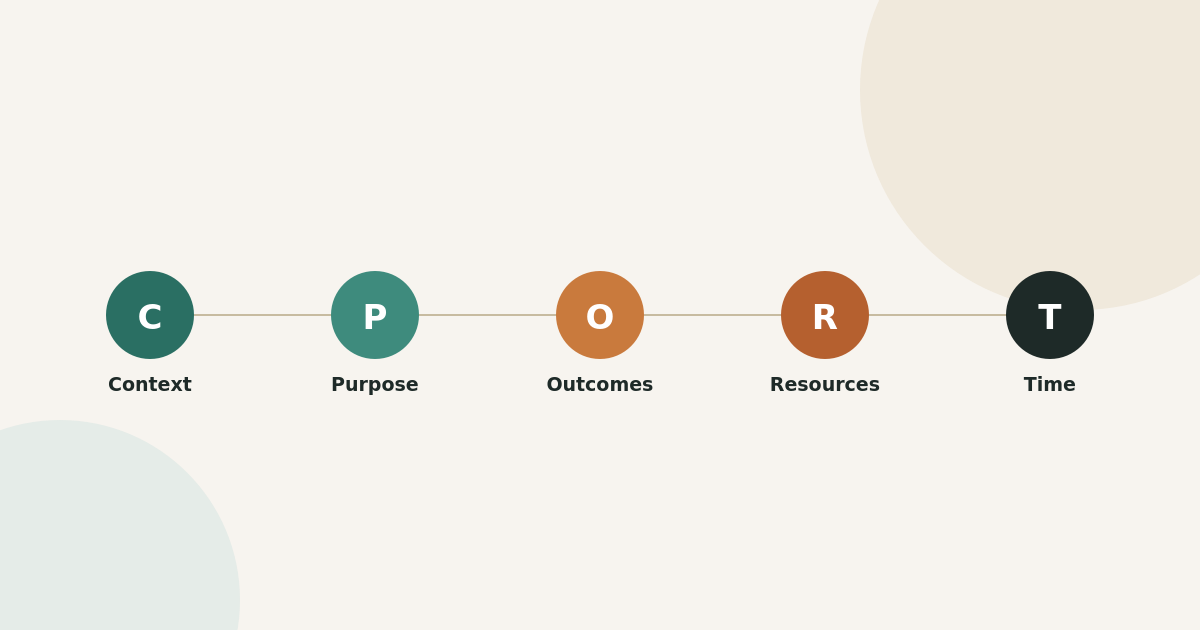
How to Delegate Tasks Effectively to Neurodivergent Staff: The CPORT Model

How to structure your time and lift productivity
A client that I'm working with at the moment (an employee) has been challenged with getting focused and being productive.
They're the sort of person that takes lots of notes, has plenty of ideas and is generally pretty clear on what they need to do. Except they still struggle to get through their work and to cover all their bases.
To help overcome the overwhelm of multiple tasks, due dates and expectations we've adopted a simple, tried and tested approach.

Unleashing Neurodiversity: How to Harness Unique Talents in Your Workplace

Fear - Barrier or Motivator?

Finding My 'Why'

When the Going Gets Tough...

A New Approach For A New Era

The Value Of Inclusion

How To Conduct An Effective Interview for A Neurodivergent Candidate

Clearing the Noise: Getting Past Your Own BS

When is a Disability Not a Disability?

Don't forget to laugh, it all ends the same...

The Benefits of Hiring Neurodivergent Employees
Many people who identify as being neurodivergent, which covers neurological conditions such Aspergers, Autism, ADHD and Dyslexia, are reported as being under supported at work.
Australian and international statistics also indicate that between 52% and 60% of people with a disability or neurodiverse are unemployed. This does not include the large numbers that are underemployed (employed less than 32 hours a week) where they have the capacity and desire to work more.
With the often highly valuable workplace strengths that neurodivergent people possess, this represents a significant opportunity for organisations to access a capable and willing pool of talent.

How to Hire Autistic, Dyslexic or Other Neurodivergent Staff
The first and typically the last hurdle that most neurodivergent job candidates face is the recruitment process. From sometimes long, repetitive and occasionally ambiguous application forms to panel interviews and assessment centres that generally only serve to highlight the challenges these candidates may have with social interactions, there are a number of stages where job candidates will stumble.
However, there are many minor adjustments that organisations can make to their processes that will allow neurodivergent candidates to demonstrate their strengths and character.

6 Interview Preparation Tips For Autistic Job Seekers
Job seeking can be an intimidating and confusing time for anyone, but for Autistic job seekers, these feelings are often compounded.
However, with a few tweaks to your approach, you can not only lessen the stress and confusion of trying to find work but also increase your chances of being successful!

Neurodivergent Graduates - the next wave in recruitment
An area that will rise in relevance and importance for many employers is tapping into neurodivergent graduates.
It’s well documented and most people would agree - there is a war for talent. Now for sure in some industries and for some skill sets the battles are more hard fought than others.